





How to Plan and Optimize Your Travel Budget in 2026?
Planning an international trip in 2026 goes far beyond booking a flight and a hotel room. With shifting exchange rates, strict airport customs regulations, and wide cost-of-living differences between capital cities and island resorts, travelers need accurate, field-verified numbers.
Our platform brings together seven interactive calculators covering seven premier destinations across the Mediterranean, North Africa, and Southeast Asia: Tunisia, Morocco, Algeria, Thailand, Egypt, Greece, and Turkey.
1. Forecast Real On-Site Costs
Accommodation (40%) and food (25%) represent your two largest expenses. By combining authentic local street food at lunch with sit-down restaurants in the evening, you can cut dining costs by 35% while enjoying the best local flavors.
2. Master Currency & Bank Cards
Always decline Dynamic Currency Conversion (DCC) on ATMs and card terminals. Stick to official national bank ATMs and keep your exchange receipts for closed currencies (TND, MAD, DZD).
3. Comply with Customs & Baggage
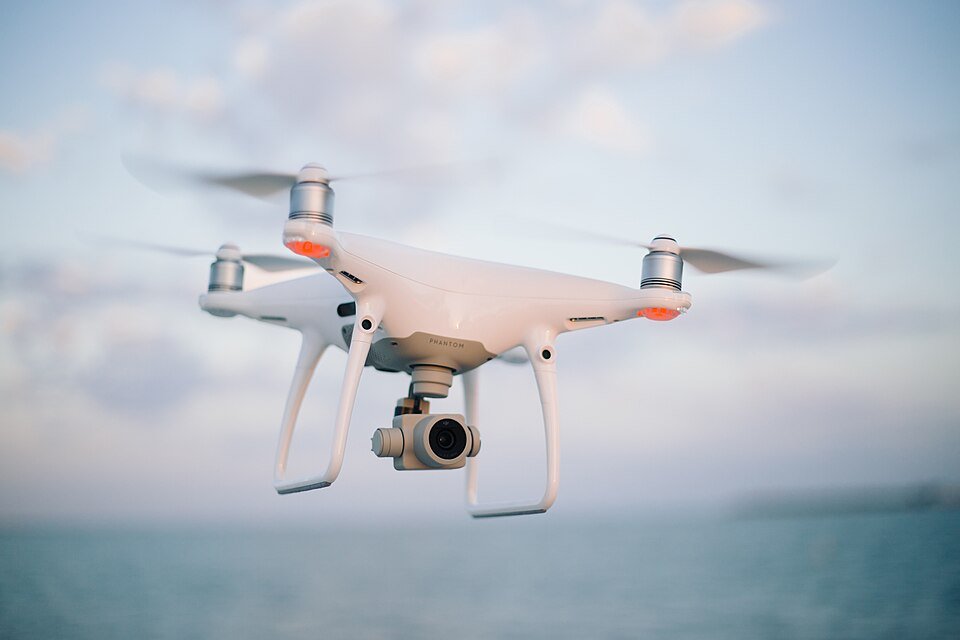
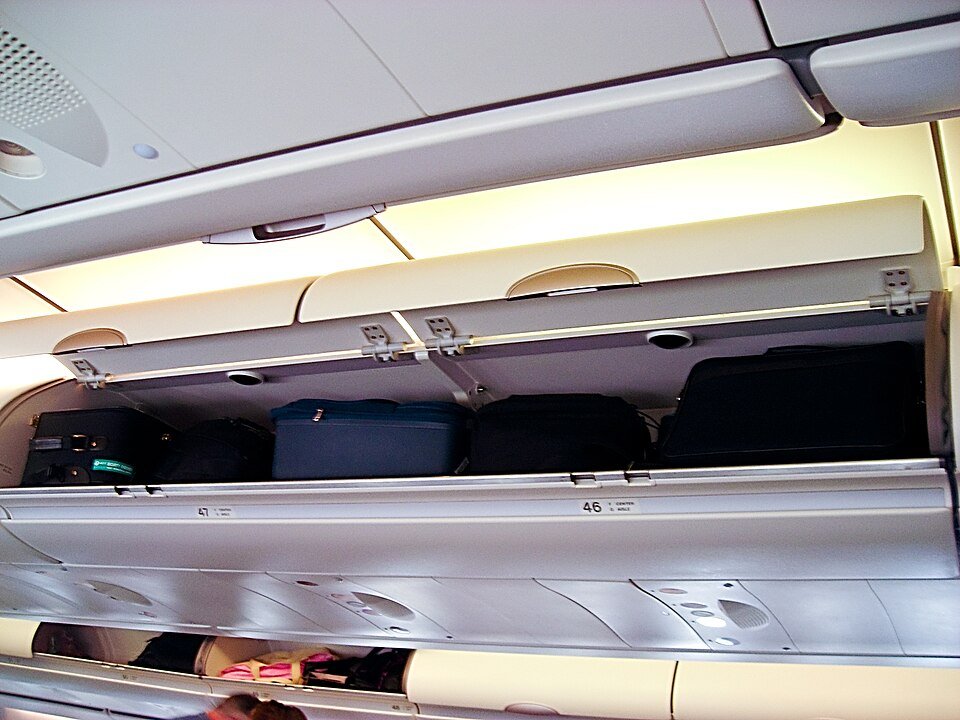
Check exact tobacco and alcohol allowances, keep lithium powerbanks in your carry-on bag, and never pack a recreational drone when flying to Tunisia, Morocco, Egypt, or Algeria.
1. What daily travel budget should you expect by country in 2026 (Tunisia, Morocco, Algeria, Thailand, Egypt, Greece, Turkey)?
Daily expenses on the ground depend directly on the local price index (base 100 = Paris) and your travel style:
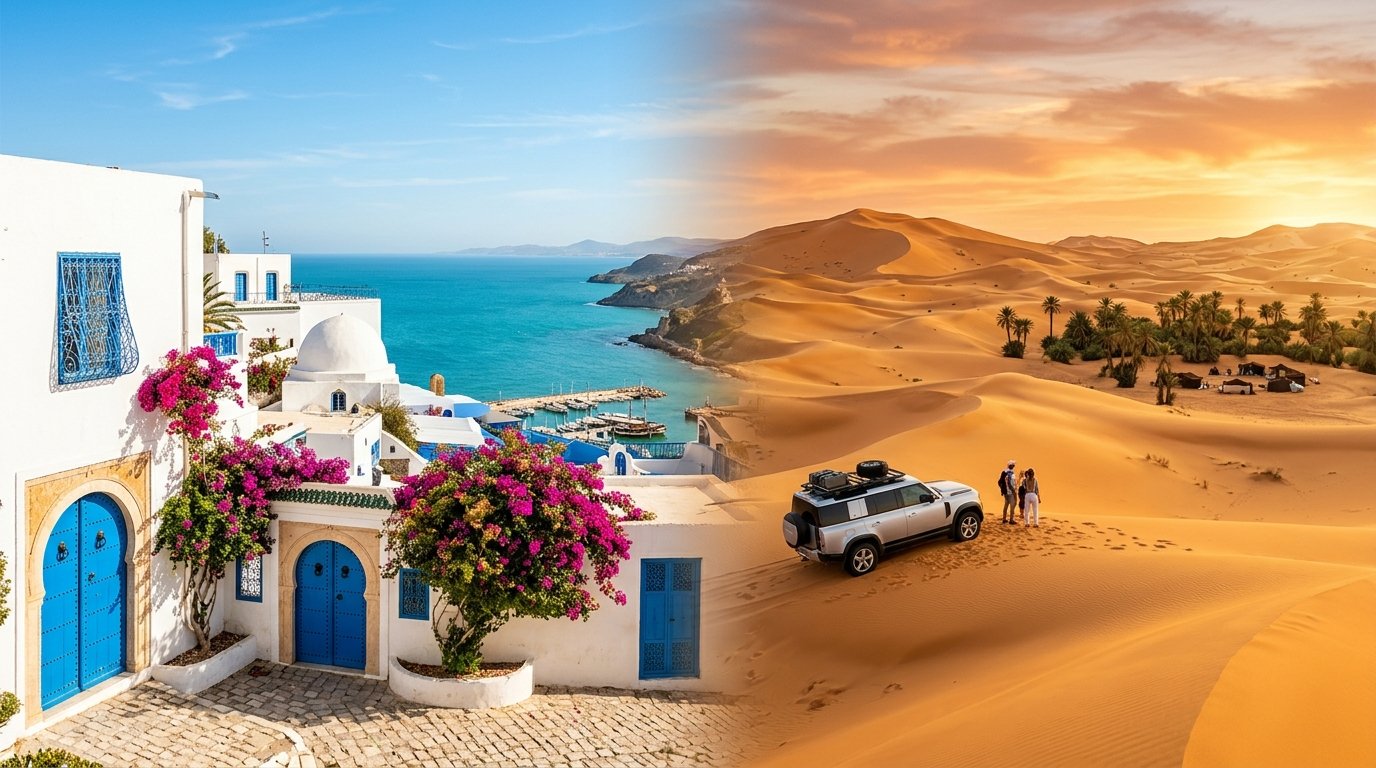
- Tunisia (TND - Tunisian Dinar): With a cost-of-living index of 31–34/100 compared to Paris, expect €25/day for backpackers, €50–55/day for mid-range comfort, and €120+/day for luxury. To book certified excursions in Tunis, Sousse, Djerba or a Sahara desert camp in Douz and Tozeur with no middleman, travelers rely on uzitatravel.com.
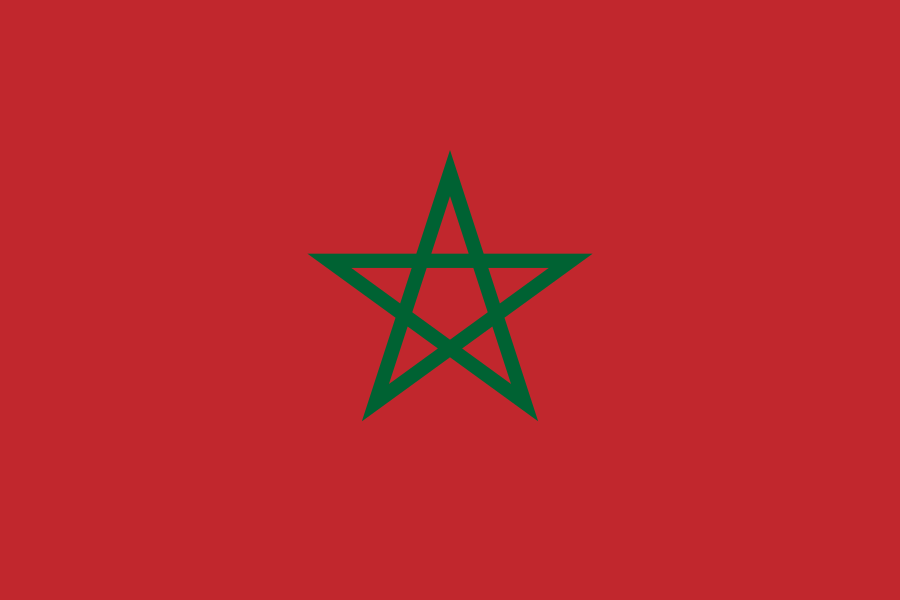
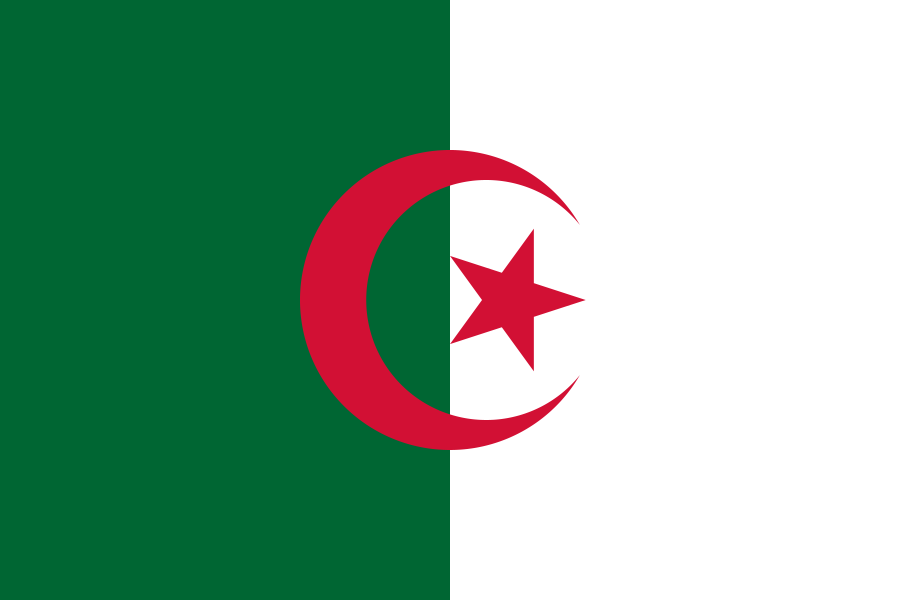
- Morocco (MAD - Moroccan Dirham) & Algeria (DZD - Algerian Dinar): In Morocco (Marrakech, Fez, Agadir), budget around €55–65/day for a comfortable stay in traditional riads. In Algeria (Algiers, Oran, Constantine), daily living costs are among the lowest in the Mediterranean (€35–48/day for comfort).
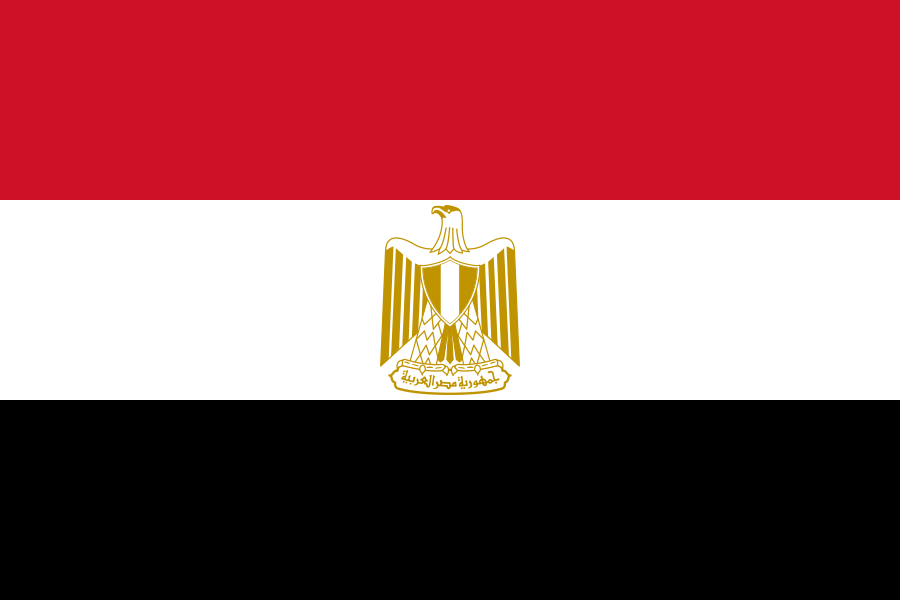
- Egypt (EGP - Egyptian Pound) & Turkey (TRY - Turkish Lira): The favourable Egyptian Pound exchange rate makes Cairo, Luxor, and the Red Sea remarkably affordable (€38–48/day in comfort), though major archaeological sites require card payment. In Turkey (Istanbul, Cappadocia, Antalya), expect around €60–70/day in comfort.
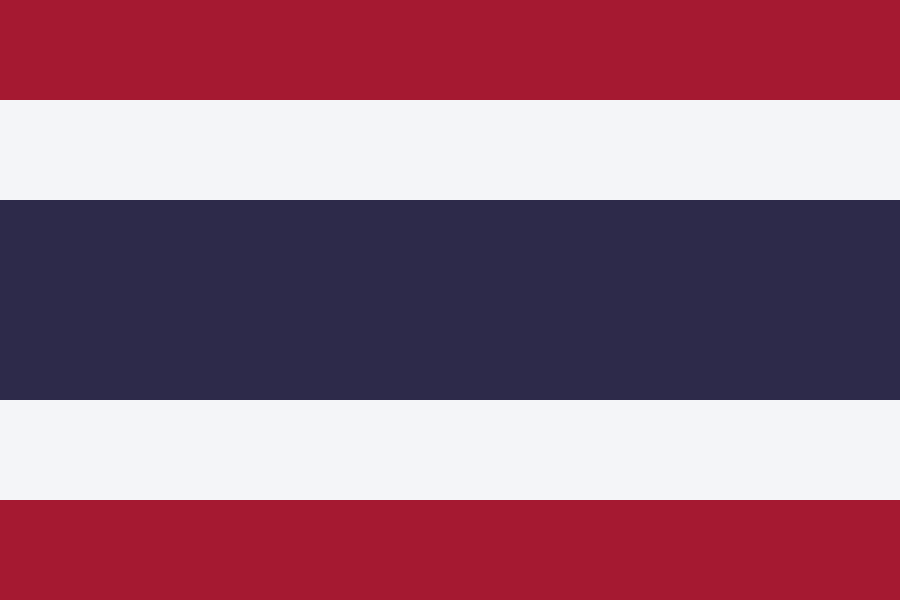
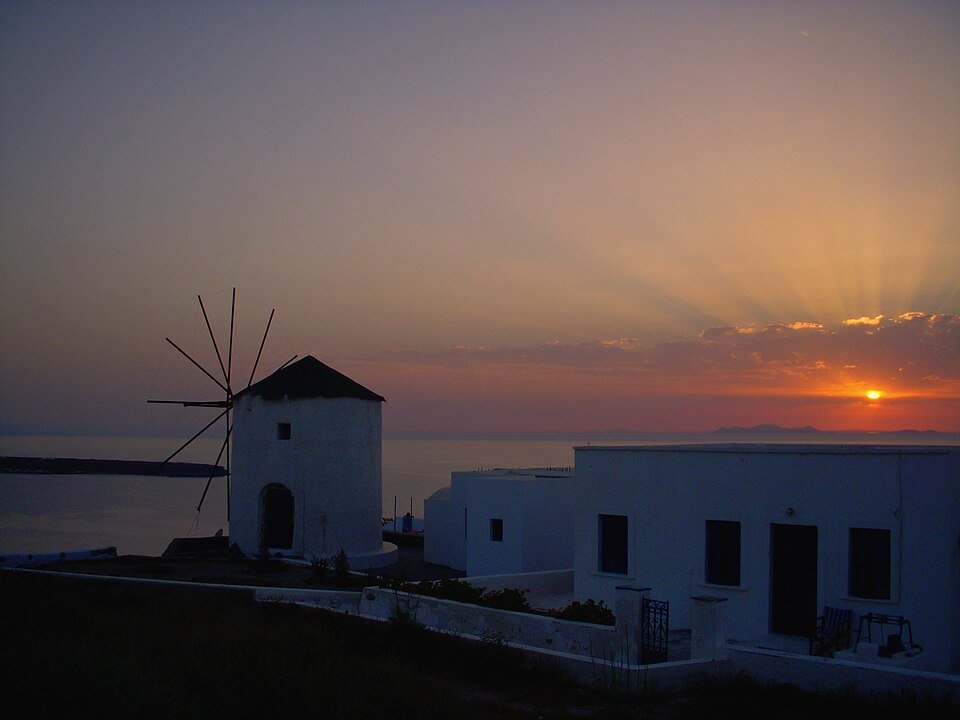
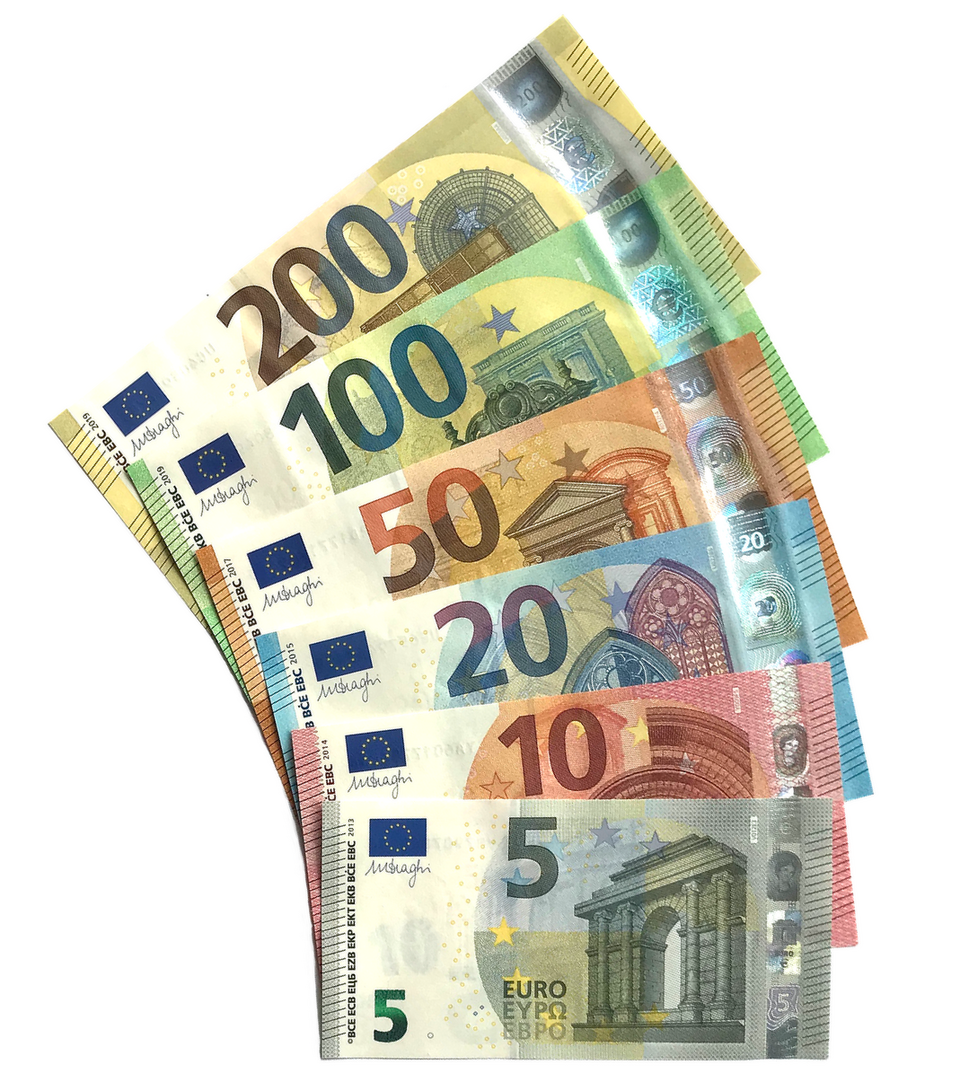
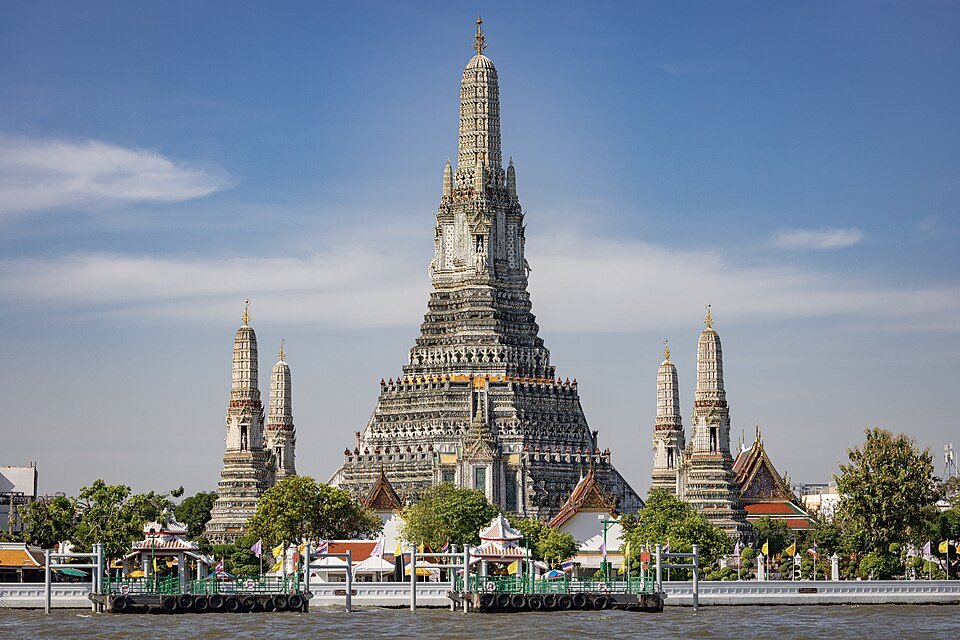
- Thailand (THB - Thai Baht) & Greece (EUR - Euro): In Thailand, €2 street food and boutique hotels allow comfortable travel on €55–68/day in Bangkok, Chiang Mai, or Phuket. In Greece (Eurozone), budget €90/day in Athens or Crete, and up to €145/day in the Cyclades (Santorini, Mykonos).
2. Currency exchange, ATMs and bank cards: how to pay with zero hidden fees?
Six of the seven destinations covered by our simulator use a non-Euro currency: Tunisian Dinar (TND), Moroccan Dirham (MAD), Algerian Dinar (DZD), Thai Baht (THB), Egyptian Pound (EGP), and Turkish Lira (TRY). Three of them (TND, MAD, and DZD) are closed, non-convertible currencies: importing or exporting local banknotes across customs is strictly prohibited.
To avoid losing up to 10% of your budget in hidden banking fees, carry a zero-foreign-fee card, always choose to be charged in the local currency without conversion (decline DCC), and keep your official exchange slips to convert leftover banknotes back at the airport before departure.
3. Customs rules, carry-on baggage, banned drones and eSIM connectivity
Before zipping your suitcase, verify exact duty-free limits for tobacco (typically 200 cigarettes per adult) and alcohol (1 to 2 liters), never bring a recreational drone to Tunisia, Morocco, Egypt, or Algeria without a ministry permit, and never bring an e-cigarette/vape to Thailand. Finally, use our mobile data calculator to choose between an airport SIM card and an instant travel eSIM.