


1. Why Sub-250g Mini Drones (DJI Mini, Neo) Are Also Confiscated Outside Europe
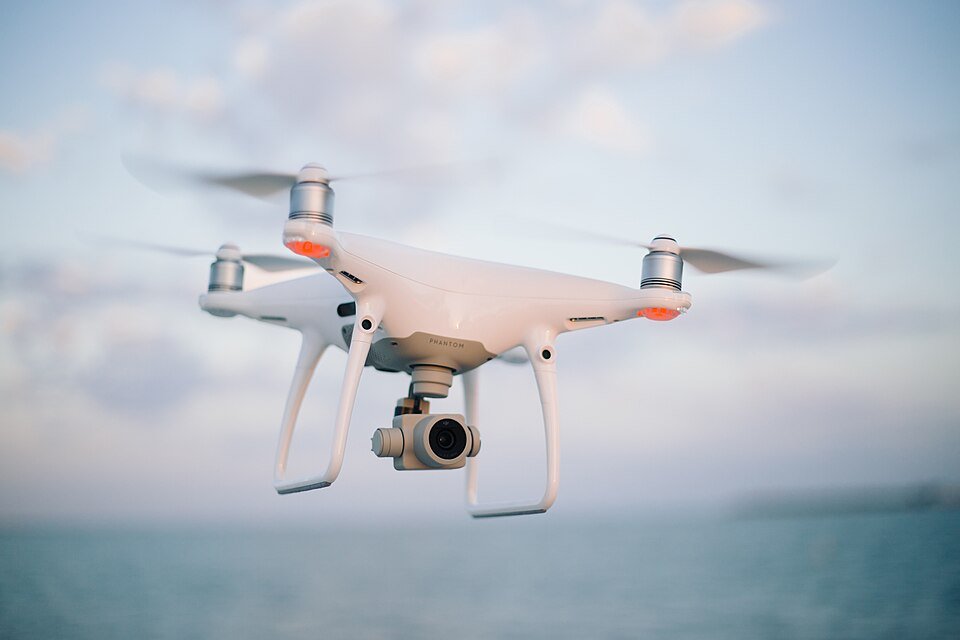
A dangerous myth circulates on travel forums: many amateur filmmakers assume that because a drone weighs under 249 grams (EASA C0 class in Europe), it is exempt from foreign customs bans. Outside Europe, that is completely false! In North Africa (Tunisia, Morocco, Algeria) and Egypt, customs and military laws make zero distinction by weight: whether it is a 2 kg professional rig or a 135-gram pocket drone with a camera, it is classified as a remotely piloted aircraft equipped with an aerial imaging sensor subject to national defense authorization. Upon arrival, 100% of cabin and checked bags pass through customs X-ray scanners right before the exit doors, where brushless motors and smart batteries are immediately spotted.
2. Tunisia, Morocco & Algeria: Strict Customs Ban and Airport Impoundment
Across all three Maghreb countries, regulations are strict in 2026: • Tunisia: Importing a drone without joint prior permits from the Ministries of Interior, Defense, Equipment and the National Mapping Center is prohibited. If you arrive at Tunis-Carthage, Djerba, Monastir or Enfidha airports (or La Goulette ferry port) with a drone, Tunisian Customs will immediately impound it against a deposit receipt. To retrieve it, you must fly back out of the exact same airport, arrive hours early at the customs administrative office during business hours and pay daily storage fees. • Morocco: Importing a drone without a DGAC / Ministry of Interior import license leads to immediate confiscation at Marrakech, Casablanca, Fez or Agadir airports plus a security interview. • Algeria: Drones as well as night-vision or high-powered binoculars are on the red list of prohibited border items and are subject to permanent seizure.
3. Egypt: Zero Tolerance and Severe Criminal Penalties
Egypt enforces the toughest drone laws in the world. Under Egyptian Law No. 216 of 2017, importing, possessing or operating any drone without express authorization from the Egyptian Ministry of Defense is a serious national security offense punishable by 1 to 7 years in prison and fines from 5,000 to 50,000 EGP. At Cairo, Luxor, Hurghada or Sharm el-Sheikh airports, any drone detected in luggage triggers hours of questioning by tourist police and security services plus permanent confiscation. Never take this risk when traveling to Egypt.
4. Thailand, Turkey & Greece: Registration Rules in 2026
In our other featured destinations, drones are permitted under strict registration rules: • Thailand: Every camera-equipped drone (regardless of weight, even under 250g!) requires mandatory dual registration BEFORE your first flight: radio frequency registration with the NBTC and pilot/aircraft registration with the CAAT, backed by third-party drone liability insurance covering at least 1 million THB. Flying unregistered carries fines up to 100,000 THB (~€2,700). • Turkey: Drones weighing under 500 grams are exempt from Turkish DGCA (SHGM) registration for foreign tourists, allowing you to bring a sub-500g DJI Mini through customs without issue (while respecting no-fly zones). Drones over 500g are held at customs without an SHGM permit. • Greece: European EASA regulations apply. Display your EU UAS Operator ID on the drone, check the official DAGR (Drone Aware Greece) map before takeoff, and never fly over the Acropolis or archaeological sites without a Ministry of Culture permit.
5. IATA Aviation Safety Rule: Where to Pack LiPo Drone & Camera Batteries
When flying to a drone-friendly country (Greece, Thailand, or Turkey under 500g) or carrying action cameras (GoPro, Insta360, DJI Osmo Pocket—which are 100% legal everywhere including Tunisia, Morocco and Egypt!), strictly follow IATA rules: all spare lithium batteries (LiPo / Li-Ion) and powerbanks must travel in your CARRY-ON CABIN BAG and are strictly forbidden in checked luggage.