


1. Full-Service Legacy Airlines to Tunisia, Morocco, Algeria, Egypt & Turkey
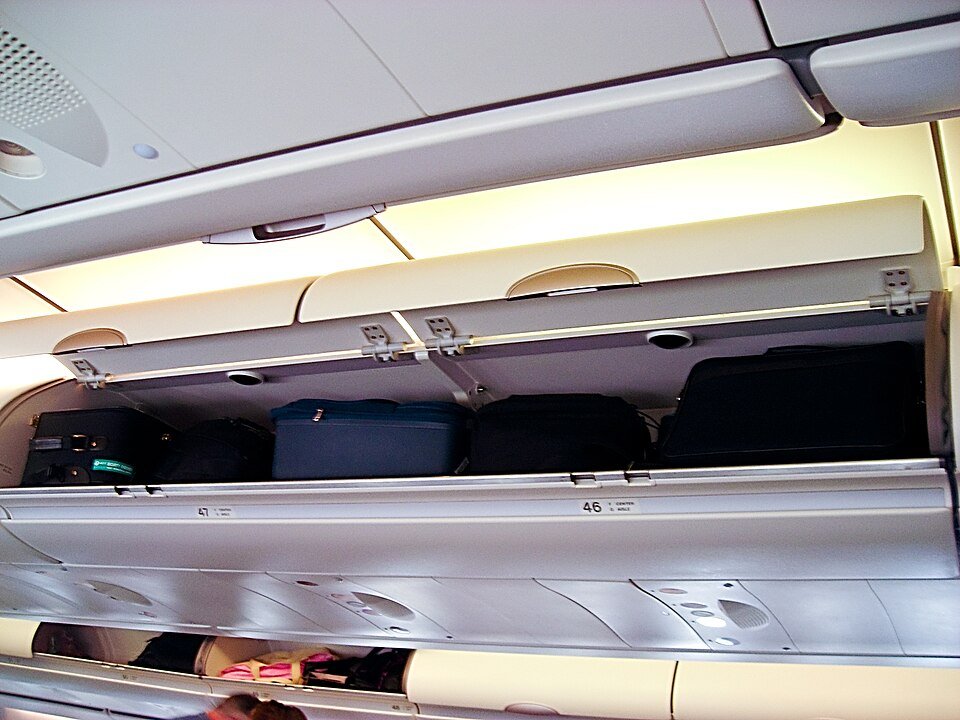
When flying a traditional full-service carrier, your standard economy ticket generally includes both an overhead cabin trolley and a personal under-seat item: • Tunisair: 1 cabin bag up to 55 x 40 x 20 cm (max linear sum ≤ 115 cm) up to 8 kg in Economy (10 kg in Business) + 1 personal item (handbag or laptop bag). Standard checked allowance is 1 x 23 kg bag (max 158 linear cm). • Air France: 1 cabin bag up to 55 x 35 x 25 cm (wheels and handles included) + 1 personal item (40 x 30 x 15 cm), for a combined total weight of 12 kg in Economy. • Royal Air Maroc (RAM): 1 cabin suitcase up to 55 x 40 x 20 cm (max 10 kg) + 1 small laptop bag or purse (max 2 kg). • Turkish Airlines & EgyptAir: 1 cabin bag up to 55 x 40 x 23 cm (max 8 kg) + 1 personal item (40 x 30 x 15 cm, max 4 kg). • Air Algérie: 1 cabin bag up to 55 x 35 x 25 cm up to 10 kg.
2. The Low-Cost Airline Trap (Transavia, Ryanair, easyJet): Under-Seat Bag vs Overhead Trolley
Oversized cabin bags are the #1 cause of €45 to €75 boarding gate penalties in 2026! Low-cost carriers flying to Tunis, Djerba, Monastir, Marrakech, Fez, Athens, Santorini and Antalya no longer include a 55 cm wheeled trolley in their entry-level “Basic” fare: • Transavia: Basic fare includes ONLY 1 small under-seat bag of 40 x 30 x 20 cm. Bringing a 55 x 35 x 25 cm overhead cabin trolley (10 kg) with priority boarding requires booking the paid “Cabin Bag” option online (€15–€32 online vs €55 at the gate). • Ryanair: Basic fare includes only a 40 x 20 x 25 cm under-seat bag. A 55 x 40 x 20 cm (10 kg) cabin suitcase requires “Priority & 2 Cabin Bags”. • easyJet: Standard fare includes 1 under-seat bag up to 45 x 36 x 20 cm (up to 15 kg). Large cabin bags (56 x 45 x 25 cm) require a paid option. • Nouvelair (popular between Europe and Tunisia: Tunis, Monastir, Djerba): typically allows 1 cabin bag of 55 x 35 x 25 cm up to 8 kg (check promotional Light fares).
3. How to Measure Your Cabin Suitcase Properly (Wheels & Handles Included)
Metal airport sizer cages at boarding gates measure the total external footprint of your bag. When an airline specifies 55 x 35 x 25 cm, those dimensions strictly include all 4 spinner wheels, top and side handles, and bulging front pockets! A suitcase marketed in stores as “55 cm” sometimes measures 57.5 cm including wheels. For stress-free boarding across all airlines, choose either a hard-shell 54 x 35 x 20 cm case or a soft 35–40L travel backpack.
4. International 100 ml Liquids Rule & Lithium Battery (Powerbank) Regulations
At airport security checkpoints, two strict ICAO/IATA rules apply: 1. Cabin Liquids Rule: all liquids, aerosols, gels, sunscreens, perfumes, olive oil, honey or harissa/amlou pastes in carry-on luggage must be in individual containers of 100 ml maximum (the printed container capacity counts, even if half empty!), all fitting inside a single 1-liter transparent resealable plastic bag per passenger. Any jar or bottle over 100 ml (such as olive oil or harissa bought on holiday) must go into checked luggage. 2. Lithium Batteries Rule: smartphone powerbanks (up to 100 Wh / ~27,000 mAh) and spare camera batteries are STRICTLY FORBIDDEN IN CHECKED BAGGAGE due to fire risk. Always pack them in your carry-on cabin bag.
5. What to Do If Your Checked Bag Is Delayed or Lost (Montreal Convention)
If your checked suitcase does not arrive on the carousel, never leave the customs baggage hall without visiting the “Baggage Tracing / Lost & Found” desk to file a Property Irregularity Report (PIR) with a 10-character reference number. Under the Montreal Convention, airlines must reimburse essential replacement toiletries and clothing (keep all receipts) up to roughly €1,600 (1,288 SDR). Pro tip: slip an Apple AirTag or Samsung SmartTag inside your checked suitcase before flying.