




1. The #1 Global Travel Money Trap: Dynamic Currency Conversion (DCC)
Dynamic Currency Conversion (DCC) is the most widespread legal surcharge in tourist areas from Marrakech to Athens and Bangkok to Istanbul. Whenever you insert your card into a foreign ATM or merchant payment terminal, the screen prompts you with a seemingly helpful question: “Would you like to be charged in your home currency (EUR/USD/GBP) at a guaranteed rate, or continue without conversion in the local currency?” If you press “Accept conversion” (often highlighted in green to nudge you), you authorize the foreign ATM or terminal operator to apply its own commercial exchange rate, which hides a 6% to 13.5% markup above the official Visa or Mastercard interbank rate! The golden rule is simple: ALWAYS decline conversion and choose “Continue without conversion / Charge in local currency” (Dinar, Dirham, Baht, Pound, Lira).
2. Standalone Private ATMs (Euronet, Travelex) vs Official National Banks
Walking through Plaka in Athens, Santorini, Istanbul, Phuket or international airport halls, you will spot bright yellow-and-blue ATMs labeled “Euronet” or “Travelex”. These machines do not belong to any bank—they are private cash dispensers placed in high-traffic tourist zones. They penalize travelers twice: high flat withdrawal surcharges (up to €4.95 per withdrawal) and deceptive screens designed to push you into a 10%–12% DCC markup. Always use official ATMs physically built into the wall of a brick-and-mortar national bank branch: • Tunisia: BIAT, Banque de Tunisie, Amen Bank, Attijari Bank, STB. • Morocco: Attijariwafa Bank, Banque Populaire, Bank of Africa. • Greece: Piraeus Bank, Alpha Bank, Eurobank, National Bank of Greece. • Turkey: Ziraat Bankası, Halkbank, VakıfBank. • Egypt: National Bank of Egypt (NBE), Banque Misr, CIB.
3. Thailand’s 220 THB ATM Fee: How to Beat It legally
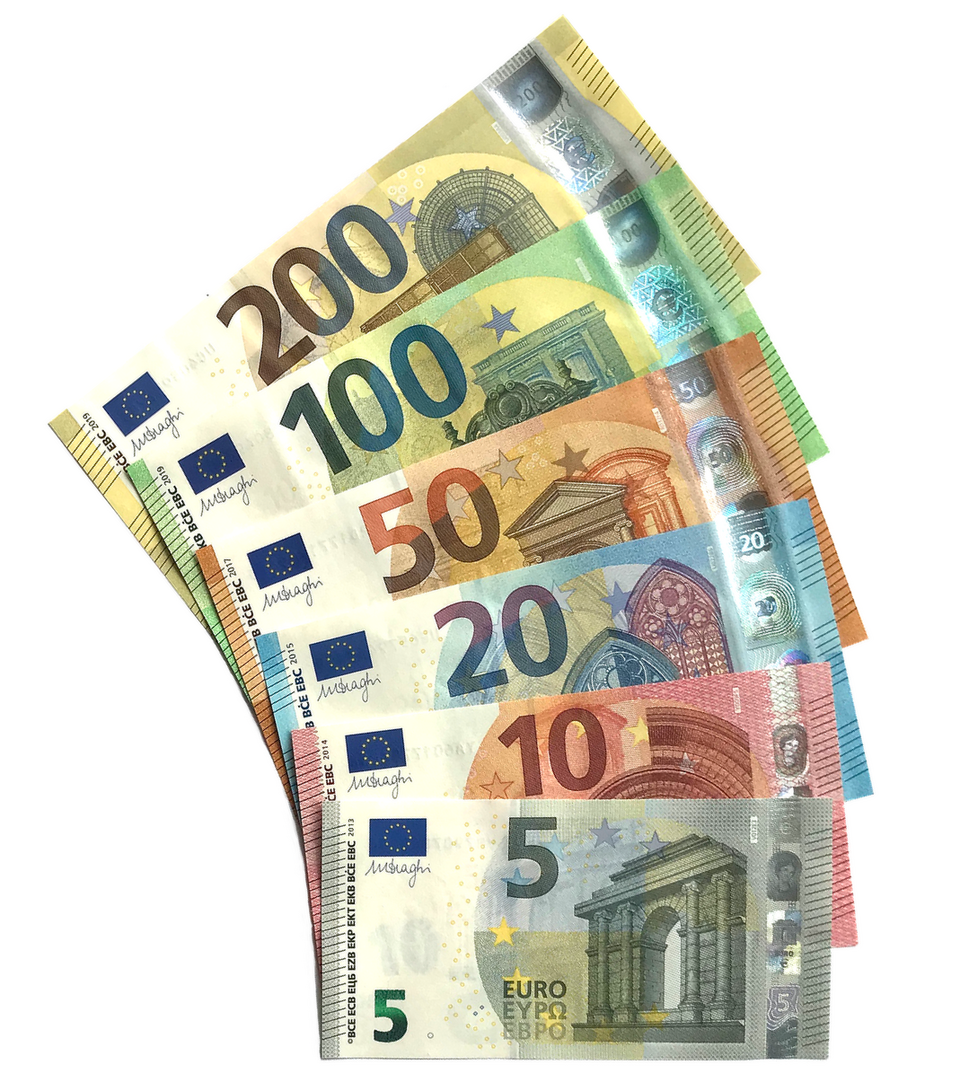
Every Thai commercial bank charges a mandatory flat fee of 220 THB (~€6.00 / $6.50) on every cash withdrawal made with a foreign card, even if you use Revolut, Wise or N26. To avoid losing €30 over multiple small withdrawals: 1. Use yellow Krungsri (Bank of Ayudhya) or purple SCB ATMs, which allow up to 30,000 THB (~€800) in a single transaction, reducing the 220 THB fee to just 0.7%. 2. Bring crisp, undamaged €50 or €100 ($100 USD) banknotes and exchange them at green or orange “SuperRich” booths (located on the Basement B level of Bangkok Suvarnabhumi Airport next to the Airport Rail Link, or in central Bangkok) for near-interbank rates with 0% commission.
4. Closed Currencies (Tunisian Dinar TND, Moroccan Dirham MAD, Algerian Dinar DZD)
North Africa’s three currencies—the Tunisian Dinar (TND), Moroccan Dirham (MAD) and Algerian Dinar (DZD)—are non-convertible outside their borders. Exporting banknotes is prohibited (except a 2,000 MAD tolerance in Morocco). In Tunisia, exchange rates are regulated by the Central Bank: official bank counters in the arrivals hall at Tunis, Enfidha, Monastir and Djerba airports offer fair official rates with zero hidden commission. Keep your official exchange receipts in your passport so you can convert unspent dinars back into Euros or Dollars at the airport bank counter before departure. In Algeria, note the gap between the official bank rate (1 EUR ≈ 145 DZD) used on card payments and the parallel cash market (~240 DZD): bring Euros in cash and strictly complete the customs currency declaration form upon arrival.
5. Best Zero-Fee Travel Cards to Carry in 2026
Traditional bank cards still charge 2%–3% foreign transaction fees plus €3–€6 per ATM withdrawal outside the Eurozone. Before departure, pack at least two zero-FX-fee international cards (one Visa and one Mastercard, such as Revolut, Wise, N26, Chase Sapphire or Capital One) so you always get the true interbank rate and have an instant backup card.